
Gut Health and IBS Dietitian in Austin, TX
Not every symptom needs another food rule.
A gut health dietitian helps you work out what may be behind symptoms like IBS, bloating, constipation or diarrhea, and which food changes are worth making.
Khan RD’s dietitians do that with your gastroenterologist or physician in the loop, and without sending you home with a list of foods to cut. We see you in person in Central Austin or by video anywhere in Texas, and we’re in-network with Aetna, Blue Cross Blue Shield of Texas, and UnitedHealthcare.

For people whose gut symptoms are shrinking what they eat

One day a food feels fine. The next day it does not. You start cutting things out, searching online, trying supplements, skipping restaurants, and wondering whether the next meal will make it worse.
Adults and teens come to us with IBS, with stomach trouble in training, and with symptoms that got tangled up with an eating disorder. The question is usually the same: what is causing this, and how few foods do I have to give up?
What we help with
IBS is a disorder of gut-brain interaction, and food is one of several things that can set symptoms off. Meal timing, fiber, fluids and stress can each play a part, which is why one food rarely explains all of it.
Stomach and upper gut
Stomach pain or discomfort, gastroparesis, and low appetite.
Small intestine
Bloating, SIBO, celiac disease nutrition support, and suspected food intolerances.
Large intestine
IBS, constipation, diarrhea, and IBD nutrition support alongside medical care.
Gut and brain
Fear of triggering symptoms, restrictive eating, inconsistent meals, digestive issues during eating disorder recovery, and gut symptoms in athletes.
Celiac disease, gastroparesis and IBD are medical diagnoses. We support the eating side alongside your medical care and don’t treat the condition itself.
When gut symptoms and eating start to overlap
Digestive symptoms can lead to food avoidance, and food avoidance can make digestion more unpredictable. If you have a history of an eating disorder, chronic dieting, ARFID or anxiety around food, gut work needs a lighter hand, and we screen for that as we go.
What working together looks like
- 1
Book a free 15-minute call
Tell us what your symptoms are doing and which foods you’ve already cut. We check your benefits before your first session.
- 2
Your first session
We go through your symptoms, a typical week of eating, what you’ve tried and any testing or diagnosis you have, then choose a starting point together.
- 3
Follow-ups
Regular sessions that adjust meals, fiber and fluids, plan any reintroduction and ease food fear, at a pace your symptoms and care team allow.
Khan RD is in-network with Aetna, Blue Cross Blue Shield of Texas, and UnitedHealthcare. Most clients pay a copay or $0 after a benefits check. For other plans, we provide a superbill. Coverage depends on the diagnosis your care is documented under, and the benefits check confirms what applies to you.
Working with your gastroenterologist and care team
A gastroenterologist or physician diagnoses digestive conditions and rules out other causes. We don’t diagnose or prescribe. With your permission, we coordinate with your gastroenterologist, physician or therapist so everyone works from the same plan.
The rules gut advice hands you
Cut gluten. Cut dairy. Go low-FODMAP forever. Take ten supplements. Eat “clean.” Avoid everything.
Some of these have a place for some people. The trouble starts when they pile up, and eating gets harder while symptoms get no clearer.
- Cut glutenWhat we do instead: If celiac disease is on the table, testing comes first and a physician orders it. Otherwise we look at the pattern before a food group goes.
- Cut dairyWhat we do instead: Some people do react to it. We look at which dairy foods and how much, so one trigger doesn’t take the whole group.
- Go low-FODMAP foreverWhat we do instead: Low-FODMAP is a limited trial with reintroduction built in. It was never meant to be permanent.
- Take ten supplementsWhat we do instead: Each one gets a question first: what is it for, and how would you know it helped?
- Eat “clean”What we do instead: “Clean” isn’t a medical term. We work with regular meals, fiber, fluids and the foods that sit well for you.
- Avoid everythingWhat we do instead: A food that might cause symptoms isn’t the same as one that does. We find out which ones do and keep the rest on your plate.
We do not assume every digestive symptom needs a restrictive diet.
Our approach
Gut health support should help you understand your body, not worsen your relationship to food.
Finding the pattern
We look at symptoms next to meals, timing, fiber, fluids, stress and movement, to see what may be involved.
Regular meals first
Meals and snacks come first. Fiber and fluids change gradually, one at a time.
A way back in
If a food has to come out for a while, we plan its return from the start.
Less fear around food
Food fear and rigid rules are common when eating feels unpredictable. We work on them next to the symptoms.
We coordinate with your gastroenterologist, physician or therapist when it helps. Care is weight-inclusive and HAES®-aligned, with no weight-loss framing.
Dietitians who work with digestive health
Weight-inclusive dietitians who help you sort out what your gut needs, without handing you a longer list of rules.
In person near Hyde Park, or by video anywhere in Texas. More on virtual nutrition counseling in Texas.


Gut health and IBS questions
Can a dietitian help with IBS?
Yes. A dietitian can help you spot patterns in eating, fiber, fluids, meal timing, stress and possible trigger foods, and avoid unnecessary restriction along the way. The aim is a way of eating that makes symptoms feel less unpredictable.
Do I need to do a low-FODMAP diet?
Not always. FODMAPs are fermentable carbohydrates found in many everyday foods, and a low-FODMAP diet temporarily reduces them to see whether they contribute to your IBS symptoms. The American College of Gastroenterology suggests a limited trial for IBS, and it isn’t the right starting point for everyone. If it makes sense for you, we help you do it in a structured way.
Is low-FODMAP a permanent diet, and when do you stop?
No. It’s a short trial, and reintroduction is the point of it: foods go back in one group at a time, so you learn which ones bother you and how much you can eat. Then the rest return to your plate. We stop sooner if the diet is making eating harder, feeding food fear or leaving you with fewer foods and no clearer answers.
Can you help if I’m scared to eat because of symptoms?
Yes. Food anxiety is common when eating feels unpredictable. We rebuild confidence with food, look for patterns and ease avoidance without dismissing your symptoms or pushing you too fast. Our post on the gut-brain axis covers how gut and mood talk to each other.
Do you work with eating disorders and GI symptoms?
Yes. We support clients whose digestive symptoms overlap with eating disorder recovery, ARFID, restriction, chronic dieting or food fear. Symptom management shouldn’t turn into more rigidity or avoidance, so we pace the work with that in mind.
What’s the difference between IBS, SIBO and IBD?
They share symptoms like pain, bloating and unpredictable bowels, which is why they get confused. A physician works out which one you have, and testing can be messy. Our post on SIBO, H. pylori, IBS and IBD explains how they differ and where food fits.
Do you help with celiac disease, gastroparesis or IBD?
Yes, alongside your medical care. These are medical diagnoses managed by your physician or gastroenterologist. We support the nutrition side, including keeping eating varied and manageable, and we coordinate with your care team. We don’t diagnose or treat the condition itself.
Does insurance cover gut health nutrition counseling?
Coverage depends on the diagnosis your care is documented under, so we check your benefits before your first session and you know your cost before you come in. Khan RD is in-network with Aetna, Blue Cross Blue Shield of Texas, and UnitedHealthcare. Most clients pay a copay or $0 after a benefits check. For other plans, we provide a superbill.
Further reading
Visit the blog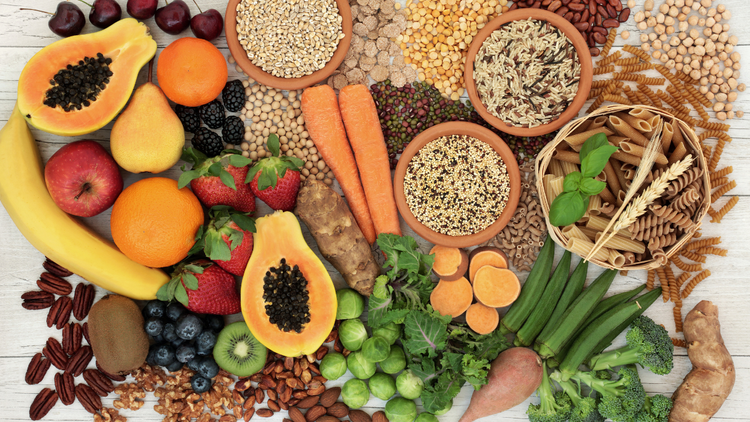
Why Is Everyone Talking About Fiber? A Dietitian’s Guide
What fiber is, the difference between soluble and insoluble, and sources worth adding.

Meditation, Digestion, and the Gut-Brain Connection
Digestion starts before your first bite, and your gut talks to your brain more than the reverse.
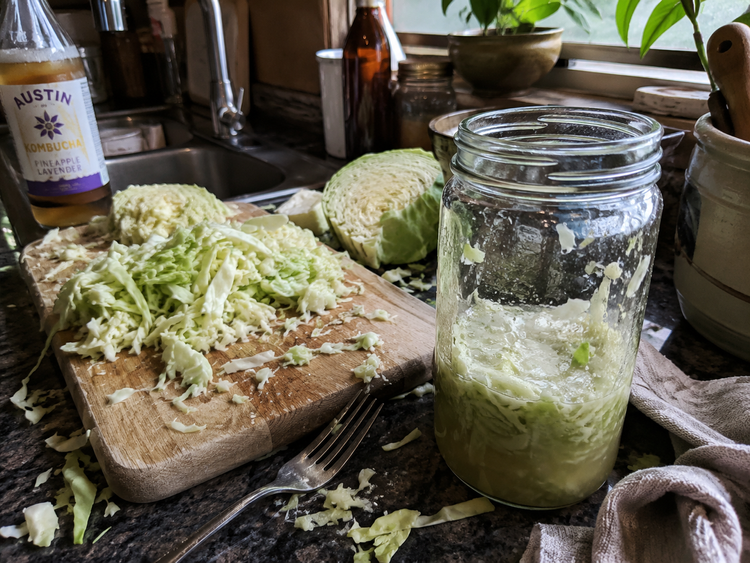
Fermented Foods and Gut Health: What the Science Actually Says
What fermented foods do for your gut, and what the microbiome hype gets wrong.
Get started with a free 15-minute call
Questions first? Send us a message. We reply within 1 weekday.