
Nutrition that makes sense.
Khan RD Nutrition + Resources Blog
This blog exists because nutrition info online is… not great. My goal is to make food feel less confusing and less stressful.
You’ll find straightforward nutrition education, real-life tools you can actually use, and a growing library of free resources.
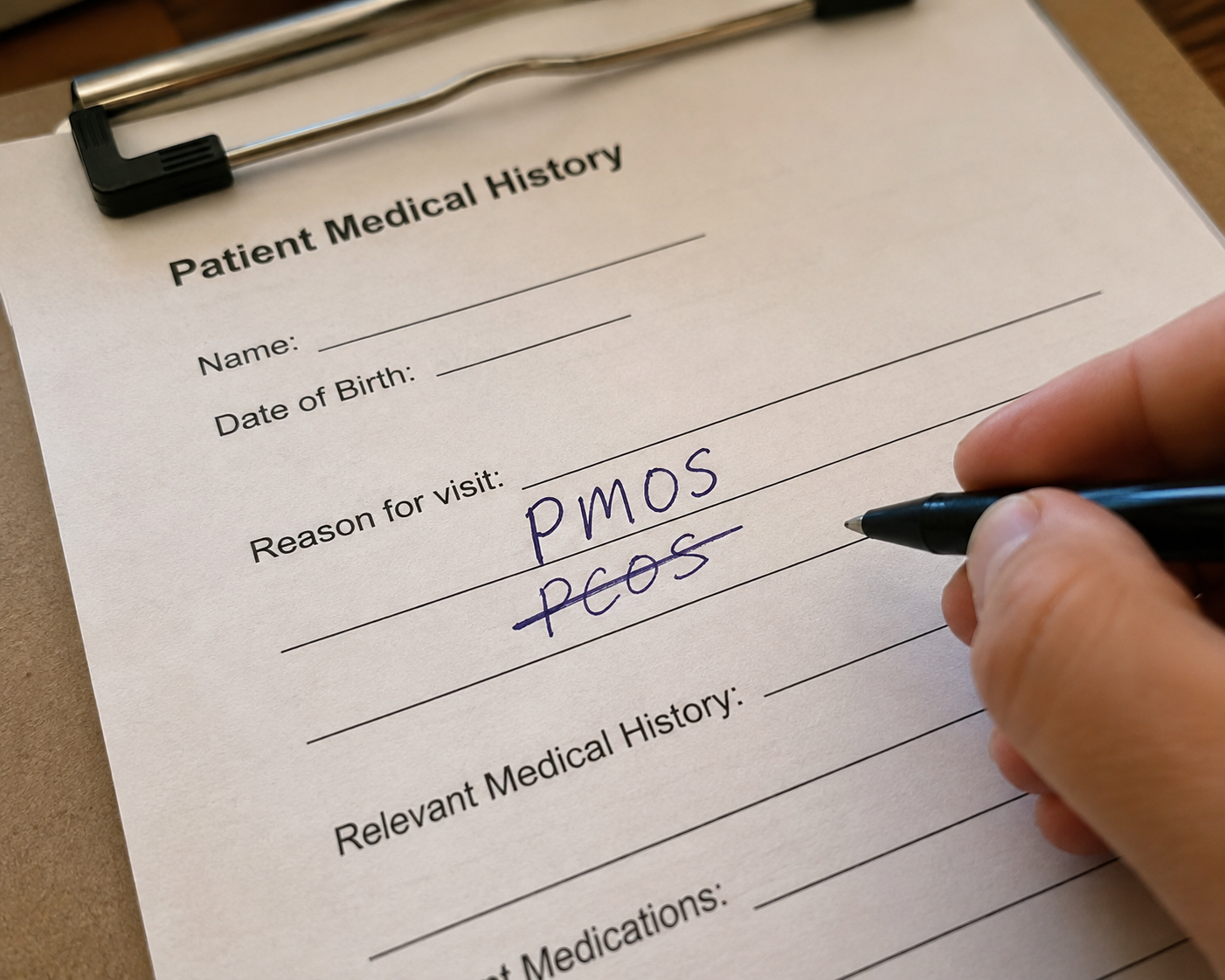
PCOS Is Now PMOS: What the Name Change Actually Means for You
As of May 2026, PCOS is officially PMOS: polyendocrine metabolic ovarian syndrome. The reasoning behind the switch says a lot about how this condition has been misunderstood, and about the kind of care it actually deserves.

SIBO, H. pylori, IBS, IBD: Why Your Gut Is Confusing
Extensive bloating, pain, and unpredictable bowels are how your gut reports almost any problem, which is why IBS, IBD, H. pylori, and SIBO get tangled together constantly. Here's what each one actually is, why the testing is messier than the internet admits, where food may help (and when eliminating more foods has stopped being the answer).

Seed Oils: The Discourse, the Fear, and What the Evidence Actually Shows
Restaurants are advertising seed-oil-free menus, tallow sales are up 275%, and the dietary guidelines changed. The evidence didn't. Here's where the seed oil fear came from, what the research actually shows, what the panic gets right, and the point where avoiding one ingredient turns into something worth worrying about.

Food and Sleep: Why Under-Eating Might Be Wrecking Your Rest
You did everything the sleep articles said and still wake up at 3am. Here's the variable they leave out: what and how much you ate. Food and sleep run on the same circuit, and not eating enough is one of the most overlooked sleep wreckers there is. A dietitian on the two-way street, minus the diet culture.

Intuitive Eating and Why Diets Don't Work: A Beginner's Guide
You didn't fail the diet. The diet failed you, and the research has known it for years. Here's why dieting reliably backfires over the long run, what your body is actually doing, and how intuitive eating offers a way out of the cycle that doesn't run on willpower or shame.

Health span, Biohacking, and RED-S.
You track everything, you fast until noon, and your dashboard says you're crushing it. So why are you always cold, always tired, and quietly losing your drive? The optimize-everything crowd has rebranded under-fueling as discipline. Here's how biohacking recreates RED-S, and the signs the "protocol" is actually breaking you.
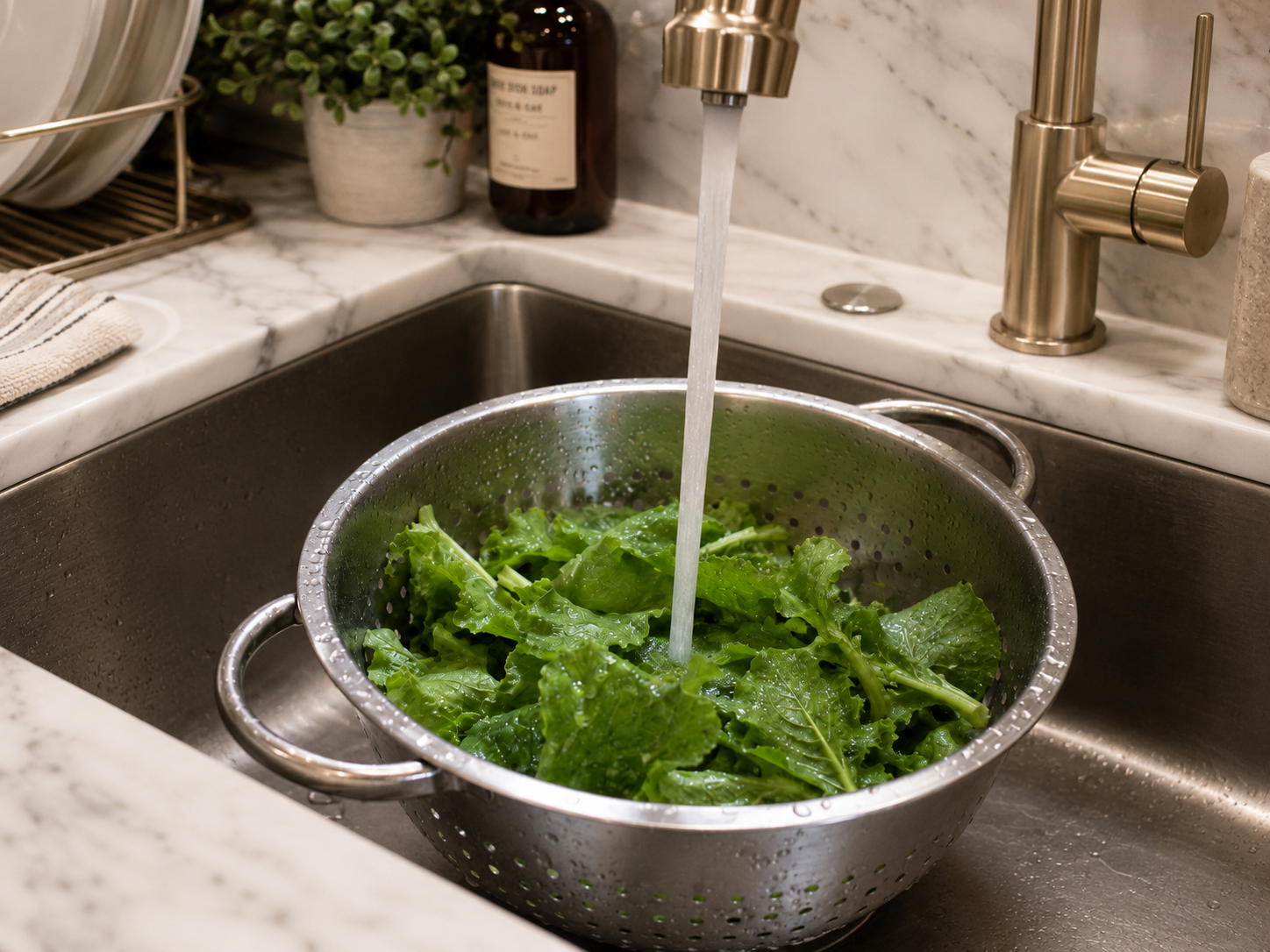
Food Safety Without the Fear: What Actually Prevents Food-borne Illness
If you've spent the past week eyeing your lettuce with suspicion, you're not being dramatic. Headlines about an "explosive diarrhea" parasite will do that to a person. But here's the thing worth holding onto before you throw out your produce drawer: real food safety is a short list of boring habits, and almost nothing that scares people is on it.
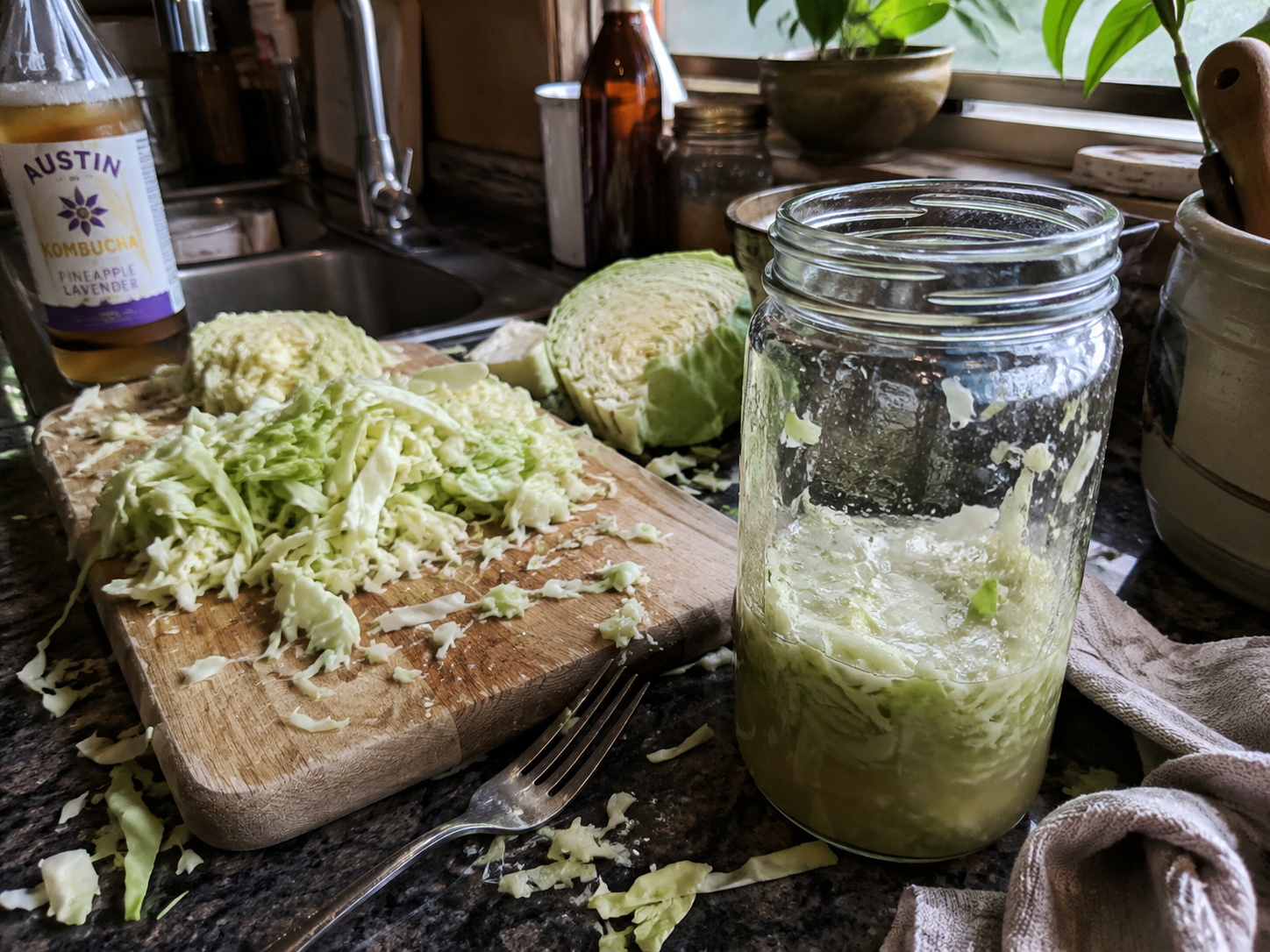
Fermented Foods and Gut Health: What the Science Actually Says
Celery juice, $200 test kits, and a supplement for a condition you didn't know you had. The gut health internet is a mess. Here's what fermented foods actually do, what the hype gets wrong, and how to support your gut without cutting out a single food.

The Gut-Brain Axis: How Food and Mood Are Actually Connected
Your gut and your brain talk constantly. The conversation actually affects your mood, your digestion, and how you handle stress. Here's what the science says, what's overhyped, and what you can actually do about it.

Do I Have RED-S? A Self-Screener
A self-screener for Relative Energy Deficiency in Sport, based on validated risk indicators from the LEAF-Q and IOC REDs Clinical Assessment Tool. Takes about three minutes. Not a diagnosis, but a real starting point.

Electrolytes: What They Are, Who Actually Needs Them, and Why the Market Is Out of Hand
Electrolyte products are now everywhere, and a lot of people are drinking three a day for no clinical reason. Here's what electrolytes actually are, who legitimately needs supplements, and how to tell the difference.

Why Calorie and Macro Counting Doesn't Hold Up
Ever wonder where the calorie number on a label actually comes from? It's a 19th-century estimate, applied to your body, which doesn't read labels. Here's the full picture, and where tracking fits.
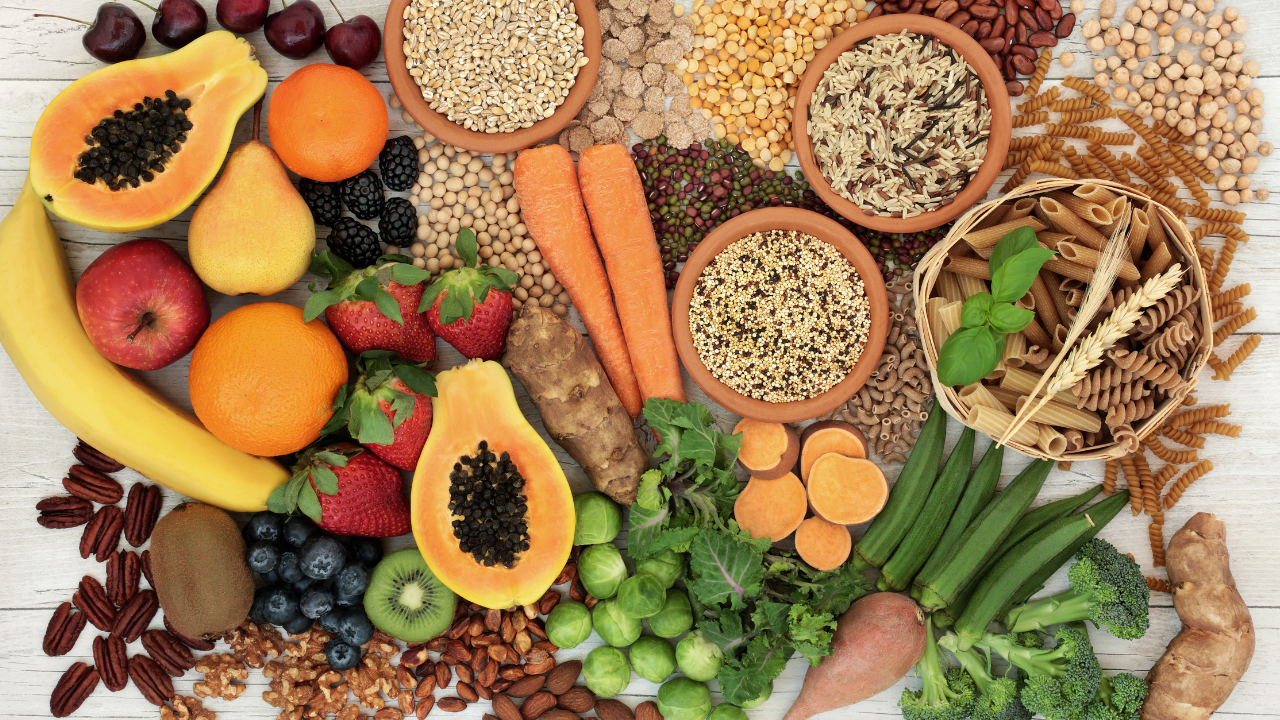
Why Is Everyone Talking About Fiber? A Dietitian's Guide
Fiber's finally having its time in the spotlight, and for once the internet is mostly right. Here's what fiber actually is, why it matters, how much you need, and where to get it without overhauling your entire pantry.
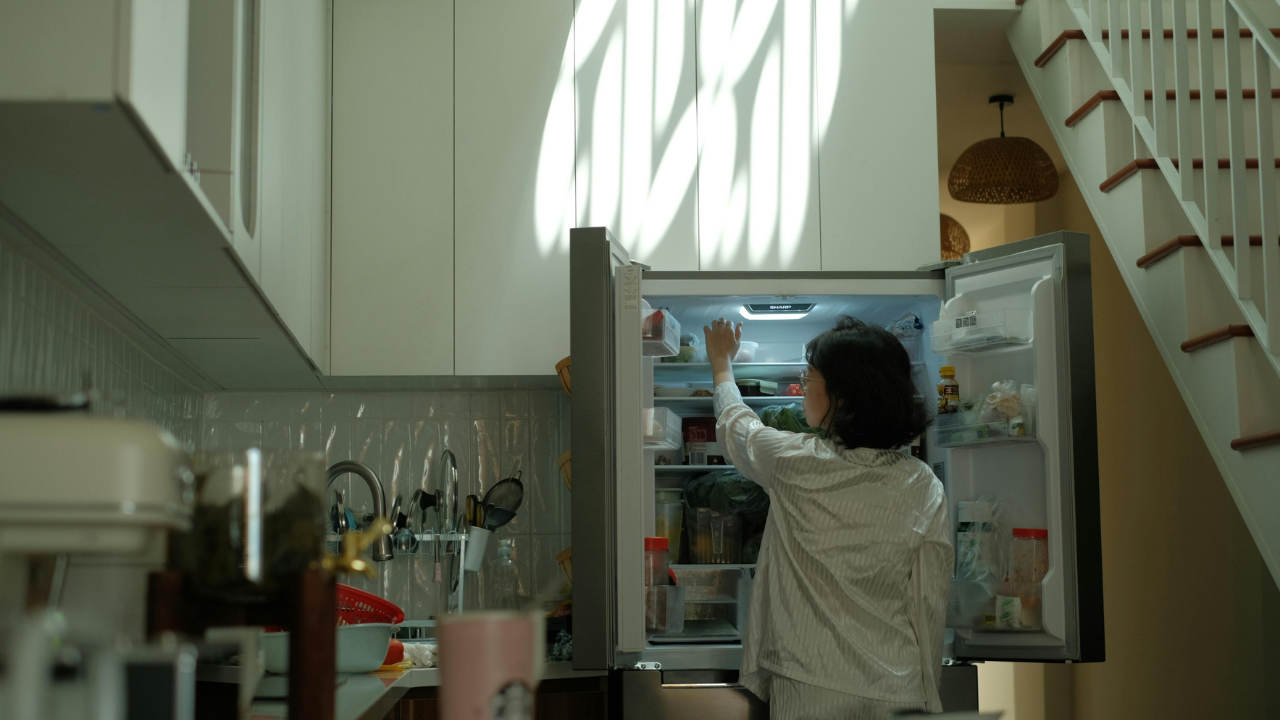
Food Noise and Food Scarcity: Why Dieting Often Causes the Overeating It Promises to Fix
If your brain won't stop thinking about food, you're not broken and you don't have bad willpower. You're probably underfed, mid-diet, or both. Here's how food noise and food scarcity actually work, and why dieting reliably makes overeating worse.

Looksmaxxing, Mewing, and the Quiet Eating Disorder Problem in Men
Looksmaxxing is the new front door to disordered eating in men, and almost no one is talking about it that way. Here's what's happening, why men get missed in eating disorder care, and what an actual exit ramp looks like.

Adult ARFID: Why Community Matters in Recovery
Adult ARFID is real, underdiagnosed, and made worse by isolation. Here's why community is part of the treatment, not a bonus, and what outpatient support looks like for adults living in a food-forward city like Austin, TX.

Can You Be an Intuitive Eater and an Ultra-Endurance Athlete?
Yes, you can be an intuitive eater and an ultra-endurance athlete. Here's how they actually fit together, from a sports-trained Austin dietitian.

RED-S in Austin: Why Underfueling Is a Rising Problem in Texas Endurance Culture
Austin's endurance culture is producing more cases of Relative Energy Deficiency in Sport, and a lot of athletes don't realize they're in it. Here's what RED-S looks like in endurance athletes, why it gets missed, and what recovery involves.

How to Check Your Nutrition Counseling Insurance Benefits
Use this quick insurance verification script to check whether your plan covers nutrition counseling with Khan RD. Learn what to ask about CPT codes 97802 and 97803, telehealth coverage, referrals, deductibles, copays, and in-network status.
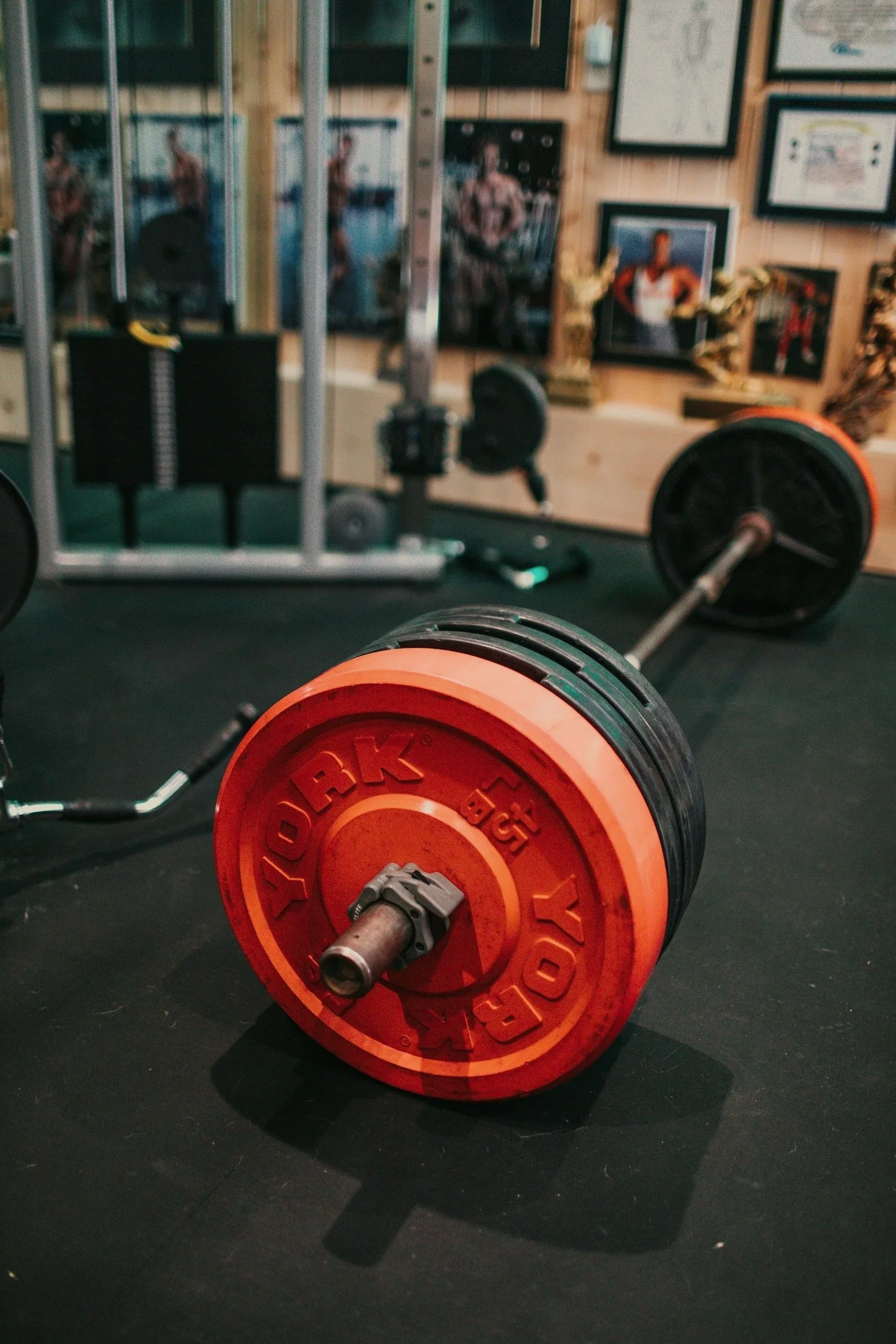
Eating Before Exercise: Timing, Options, and What Usually Works
Not sure what to eat before a workout? Here’s a simple way to fuel without overthinking it.