
Sports Dietitian in Austin, TX
Training harder is not always the answer.
Khan RD’s dietitians help runners, cyclists, triathletes, lifters and everyday athletes eat enough for the work they do, so training, recovery and energy can follow. Care is weight-inclusive and free of rigid food rules.
We see you in person in Central Austin or by video anywhere in Texas, and we’re in-network with Aetna, Blue Cross Blue Shield of Texas, and UnitedHealthcare.

We help you fuel to get the most out of your training
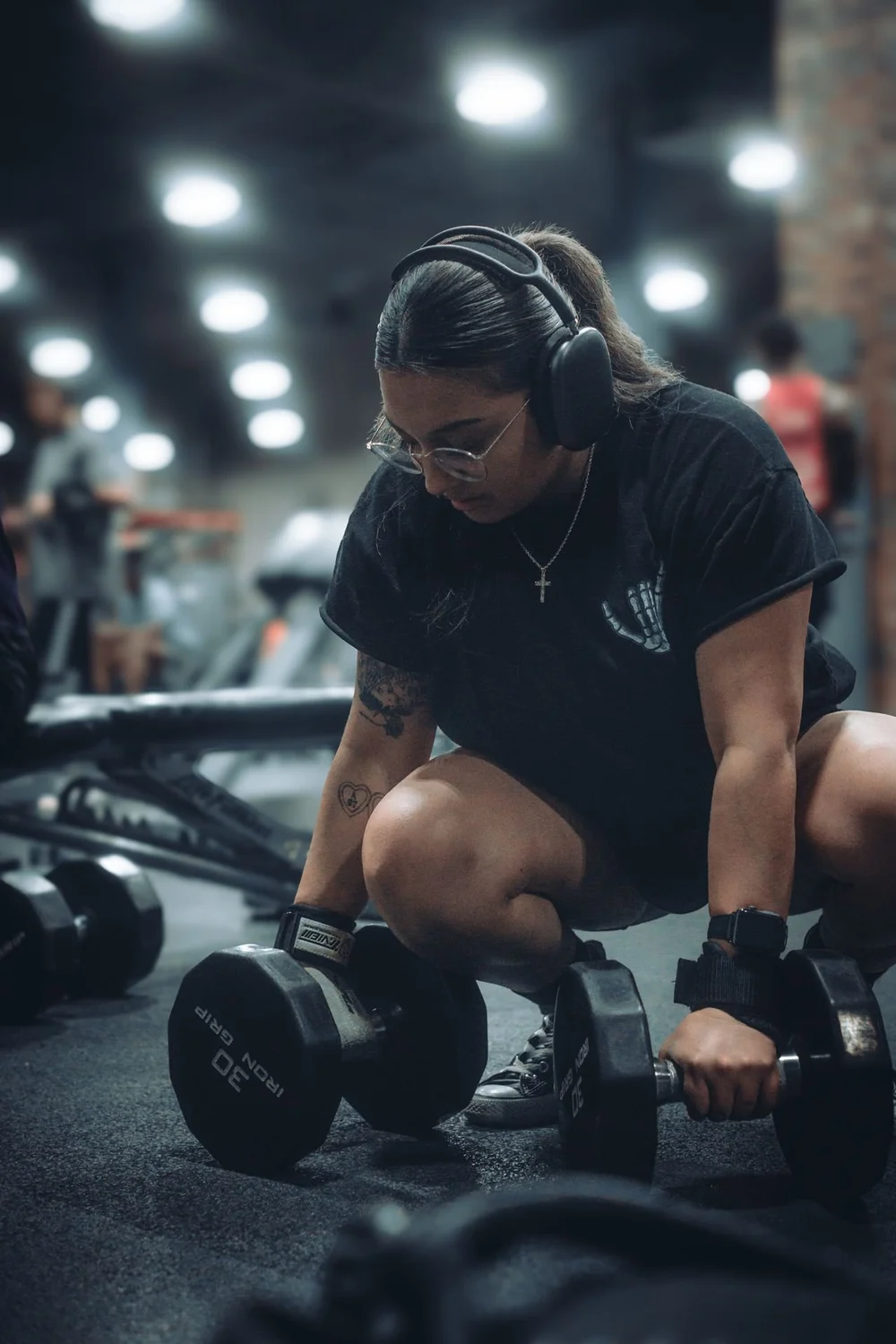
Maybe your long runs have felt flat for weeks, or your lifts have stalled, and everything you read says to push harder. Maybe you track every gram and worry that eating more will cost you something. Or you’re coming back to your sport after an injury or time away, and fueling feels like the hard part.
You don’t have to be competitive. If your training matters to you, then you have to eat for it.
What sports nutrition covers
Sometimes performance starts improving when fueling becomes more consistent. That means eating enough, timing meals and snacks around training, and recovering on purpose, without turning food into one more thing to get right.
Fueling
- Before, during and after training
- Eating enough on a busy schedule
- Travel and competition days
- Hydration and electrolytes
Energy and recovery
- Low energy in training
- Slow recovery and frequent soreness
- Difficulty building muscle
- Underfueling
Gut and health
- Stomach trouble during runs, rides and workouts
- Irregular or missing periods
- Supplement questions
- Body image distress around training
What working together looks like
- 1
Book a free 15-minute call
Tell us your sport, how training looks now and what isn’t working. We check your benefits before your first session.
- 2
Your first session
We go through your training week, what and when you eat now, any symptoms and your goals, then choose a starting point together.
- 3
Follow-ups
Regular sessions that adjust your fueling as training changes, around races, travel or a new block.
Khan RD is in-network with Aetna, Blue Cross Blue Shield of Texas, and UnitedHealthcare. Most clients pay a copay or $0 after a benefits check. For other plans, we provide a superbill. Coverage depends on the diagnosis your care is documented under, and the benefits check confirms what applies to you.
Working with your coach and care team
With your permission, we talk with your coach, athletic trainer, physician or sports medicine team so everyone works from the same plan. If you don’t have a physician or a therapist yet, we can help you find one.
Fueling for endurance
Runners, cyclists, triathletes and ultra athletes spend hours moving, and Austin heat adds to the load. The plan has to hold up for the long session and for the day it counts.
Low energy, missing periods and injuries that keep coming back can be signs of RED-S, relative energy deficiency in sport, which happens when you take in less energy than your training and your body need (IOC consensus statement).
Not sure if it fits? Try our RED-S self-screener.
- Race-day fueling What to eat the days before, the morning of and during, tried out in training so race day holds no surprises.
- Heat and electrolytes Austin summers change what you lose and what you need. We cover fluids and electrolytes for long sessions, and our electrolytes post goes further.
- Stomach trouble on the move Gut issues during runs and rides are common, and they can be worked on. We look at what you eat before and during.
- Eating enough for the volume As mileage rises, so does what you need. Underfueling is easy to miss and often shows up as flat runs and slow recovery.
Fueling for strength
Lifters, powerlifters and bodybuilders get pulled toward tight tracking, cuts and weight classes. Eating enough to build comes first, and we watch for the point where rules turn into something more.
- Eating enough to build Strength and muscle take enough energy and protein across the day, so we plan around your training week.
- Around your lifts What to eat before and after training so you lift well and recover, without it turning into a ritual.
- Supplements We review what’s on your shelf and what is worth discussing with your physician. Food and overall fueling come first.
Our approach
We start with how you eat and how you train, then change what’s in the way. In practice:
Fueling first. Most performance questions start with whether you’re eating enough, so that’s where we begin.
Your sport and your week. Your training schedule, race calendar and travel shape the plan.
Food before products. Supplements come after the basics, and we tell you which are worth raising with your physician.
Weight-inclusive and HAES®-aligned. No weight-loss framing and no calorie or macro counting. Where your sport has weight classes, your health comes first.
Eating disorders and RED-S in view. We screen as we go, and athletes in eating disorder recovery get care that fits both.
Dietitians who work with athletes
Weight-inclusive dietitians who prioritize your relationship to food, so fueling advice never turns into another set of rules.
In person near Hyde Park, or by video anywhere in Texas, which helps if you’re training or studying elsewhere in the state. More on virtual nutrition counseling in Texas.


Questions about sports nutrition
Do I need to be a competitive athlete?
No. You don’t need to be elite or compete to work with a sports dietitian. If training, movement, performance or recovery matters to you, sports nutrition support can help.
Can you help with underfueling?
Yes. Underfueling is one of the most common things we see in active people. We build your intake up in a way that fits your training and your week. If missing periods, repeated injuries or constant fatigue are part of it, we also screen for RED-S, and our RED-S page covers that care.
Do you work with athletes who have an eating disorder?
Yes. We support athletes with disordered eating, eating disorder recovery, compulsive exercise, body image distress and fear around fueling. Our eating disorder page covers how that care works.
Do you recommend supplements?
We review supplements and help you sort out what’s useful, what’s unnecessary and what is worth discussing with your physician. Food and overall fueling come first.
Do you work with teens and college athletes?
Yes, from age 6. For younger athletes, parents or caregivers are part of the work, and we don’t put kids on diets. College athletes who are away at school can see us by video anywhere in Texas.
Will you talk to my coach or team?
With your permission, yes. We coordinate with coaches, athletic trainers, physicians and therapists so everyone works from the same plan.
Are sports dietitians covered by insurance?
Coverage depends on the diagnosis your care is documented under, so we check your benefits before your first session and you know your cost before you come in. Khan RD is in-network with Aetna, Blue Cross Blue Shield of Texas, and UnitedHealthcare. Most clients pay a copay or $0 after a benefits check. For other plans, we provide a superbill.
Further reading
Visit the blog
Eating Before Exercise: Timing, Options, and What Usually Works
Simple pre-workout timing and snack ideas, and how to fuel for strength or cardio without stomach discomfort.

Health span, Biohacking, and RED-S
How the optimize-everything crowd ends up underfueling, and the signs to watch for.

Can You Be an Intuitive Eater and an Ultra-Endurance Athlete?
How intuitive eating and fueling for ultra-endurance work together.
Get started with a free 15-minute call
Questions first? Send us a message. We reply within 1 weekday.