
Orthorexia Dietitian in Austin, TX
When eating well starts running your day.
Khan RD’s dietitians help adults, teens and families when healthy eating has hardened into rigid rules, fear of certain foods or anxiety around meals. Care loosens the rules and brings foods back, in steps you agree to.
We see you in person in Central Austin or by video anywhere in Texas, and we’re in-network with Aetna, Blue Cross Blue Shield of Texas, and UnitedHealthcare.

For when meals start to feel like a test
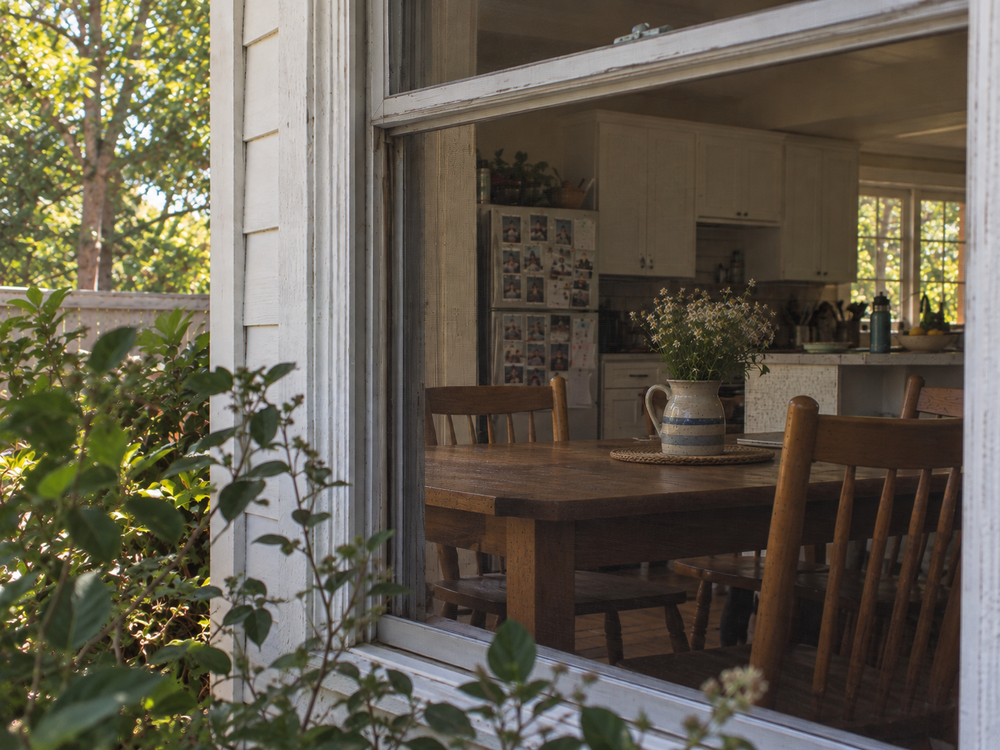
Maybe it started with a few intentional changes around food intake: more vegetables, less sugar, cooking at home. Then the list of foods that felt safe got shorter. Now a restaurant menu, a work lunch or a meal someone else cooked can bring real anxiety, and breaking a rule can sour the rest of the day.
From the outside it often looks like discipline, and people may praise it. It can still take far more of your time and attention than you want it to.
What orthorexia is
Orthorexia describes a focus on eating “correctly” or “purely” that becomes rigid, anxious and hard to step away from. It isn’t a formal DSM-5 diagnosis, but clinicians recognize the pattern, and it is often treated as an eating disorder under OSFED (other specified feeding or eating disorder).
What it can look like
- A growing list of foods or ingredients you won’t eat, usually for “health” reasons
- Hours spent researching, planning or checking what you eat
- Guilt or anxiety when a rule is broken, and a stricter rule afterward
- Turning down restaurants, travel or plans because of what might be served
- Feeling tired, cold or unwell from eating too little or too narrowly
Where it tends to show up
It shows up alongside anxiety and other eating disorders, among athletes chasing performance, and in wellness culture, where strict eating is often praised. Sometimes it starts with a real reason to change how you eat, like a gut condition, and the rules keep growing after the reason is dealt with.
What nutrition care focuses on
Care starts with eating enough, because a shrinking list of foods often means too little food overall. From there, we work on:
- the rules themselves: where each one came from and what it costs you
- fear foods, brought back gradually and in an order you choose
- eating in the places the rules made hard, like restaurants, work and family meals
- sorting what the research says from the fear that has attached to it
If anxiety is part of the picture, a therapist usually works on it alongside us, and we coordinate so the two fit.
Related care
Eating disorders
Orthorexia often overlaps with other eating disorders. Our hub covers anorexia, bulimia, OSFED and the levels of care.
Eating disorder careRED-S
Athletes who eat “clean” can still underfuel. RED-S is what happens when energy intake doesn’t cover the demands of training.
RED-S careIntuitive eating
Once the rules loosen, hunger, fullness and what you like can guide more of your choices again.
Intuitive eatingWhat working together looks like
- 1
Book a free 15-minute call
Tell us what eating looks like right now and who else is on your care team, if anyone. We check your benefits before your first session.
- 2
Your first session
We go through your food history, the rules you live with and where they came from, then choose one to start on. You pick which.
- 3
Follow-ups
Regular sessions that take on one rule at a time, with practice in between. You can always say not yet.
Khan RD is in-network with Aetna, Blue Cross Blue Shield of Texas, and UnitedHealthcare. Most clients pay a copay or $0 after a benefits check. For other plans, we provide a superbill. Coverage depends on the diagnosis your care is documented under, and the benefits check confirms what applies to you.
Working with your therapist and physician
Orthorexia often comes with anxiety, so many people see a therapist as well. With your permission, we talk with your therapist, physician or psychiatrist so everyone works from the same plan. If you don’t have a therapist or a physician yet, we can help you find one.
Healthy habits and rigid rules
Written down, the two can look identical. The difference shows when the plan meets an ordinary day.
| Moment | A habit | A rule |
|---|---|---|
| Plans change | You eat what’s there and get on with the day. | You skip the meal, or bring your own. |
| Eating out | You order something that sounds good. | You study the menu days ahead, or cancel. |
| After an exception | Not much happens. | Guilt, then a stricter rule to make up for it. |
| How much room it takes | A small part of your day. | Hours of research, planning and checking. |
Care keeps the habits you value and works on the rules around them.
Our approach
We’re weight-inclusive, and we don’t sort foods into good and bad. We work on eating patterns, nourishment and your medical needs. In practice:
- Eating enough first. Rules about the quality of food often hide a shortfall in the amount. We look at that before anything else.
- CBT-E–informed counseling. Enhanced cognitive behavioral therapy (CBT-E) is a structured eating disorder treatment. We use its nutrition side: naming the rules, testing them one at a time and seeing what happens.
- Fear foods, step by step. We plan which foods to bring back and in what order, then practice them in sessions and at home.
- The research, without the fear. Many clients know a lot about nutrition. We go through what the evidence says, and doesn’t say, about the foods that worry you.
- Family-Based Treatment (FBT). For children and teens, when it’s indicated. We work with parents on meals at home, and we see children 6 and older.
- The people around you. Partners and family can join sessions when it helps. If you’re stepping down from a higher level of care, we coordinate with your program and treatment team.
Dietitians who work with orthorexia
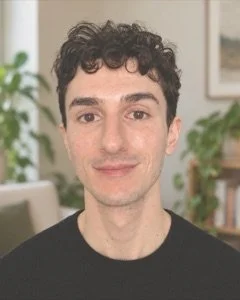
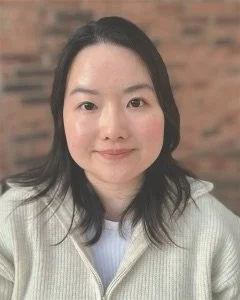
Weight-inclusive dietitians who know eating disorder care and the nutrition research. We’ll help you sort through your food rules and challenge them in ways that leave you feeling empowered.
In person near Hyde Park, or by video anywhere in Texas. More on virtual nutrition counseling in Texas.
Questions about orthorexia care
Is orthorexia covered by insurance?
Coverage depends on the diagnosis your care is documented under, so we check your benefits before your first session and you know your cost before you come in. Khan RD is in-network with Aetna, Blue Cross Blue Shield of Texas, and UnitedHealthcare. Most clients pay a copay or $0 after a benefits check. For other plans, we provide a superbill.
Is orthorexia a real eating disorder?
It isn’t a formal diagnosis in the DSM-5, the manual clinicians use to diagnose mental health conditions. Clinicians do recognize the pattern, and it is often treated under OSFED. If it means eating too little, or arranging your life around food rules, it’s worth getting help for, whatever it’s called.
Will you make me eat foods I’m afraid of?
No one is forced. We decide together which foods to work on and in what order, and you can say not yet. The goal is for fear to stop making the choices for you.
I still want to eat healthily. Is that a problem?
No. The habits you value can stay. We work on the rules that come with fear and guilt, so eating well stops taking over the rest of your life.
Do I need a therapist too?
Not to start with us. Orthorexia often comes with anxiety, and a therapist can work on it alongside us. With your permission, we coordinate with your therapist, and if you don’t have one yet, we can help you find one.
I’m an athlete. Is this different for me?
Often it starts with a performance goal and the rules grow from there. We look at whether you’re eating enough for your training and for signs of RED-S. Our RED-S page has more.
Can I do orthorexia care by video?
Yes. We see clients by video anywhere in Texas. In-person sessions are in Central Austin, near Hyde Park.
Further reading
Visit the blog
The Difference Between “Healthy Habits” and Disordered Food Rules
Is your “healthy eating” helping, or turning into rigid food rules? The difference between healthy habits and disordered food rules, and the signs of food rule anxiety.
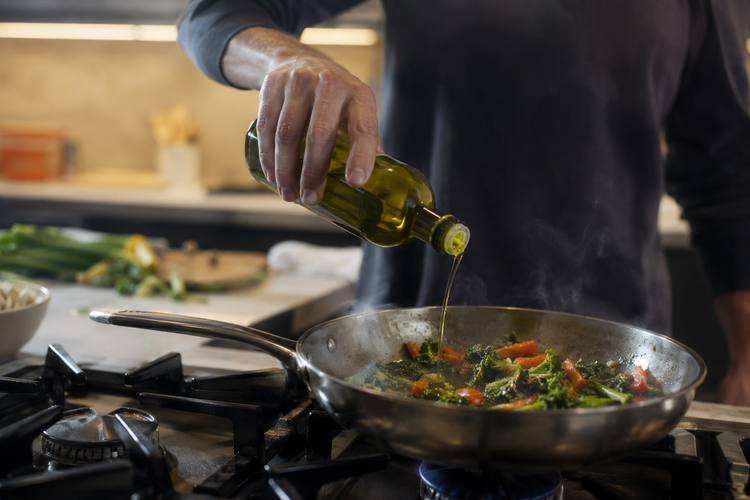
Seed Oils: The Discourse, the Fear, and What the Evidence Actually Shows
Seed oils are blamed for everything online. A dietitian writes on where the fear came from, what the research actually shows, and what the panic gets right and wrong.
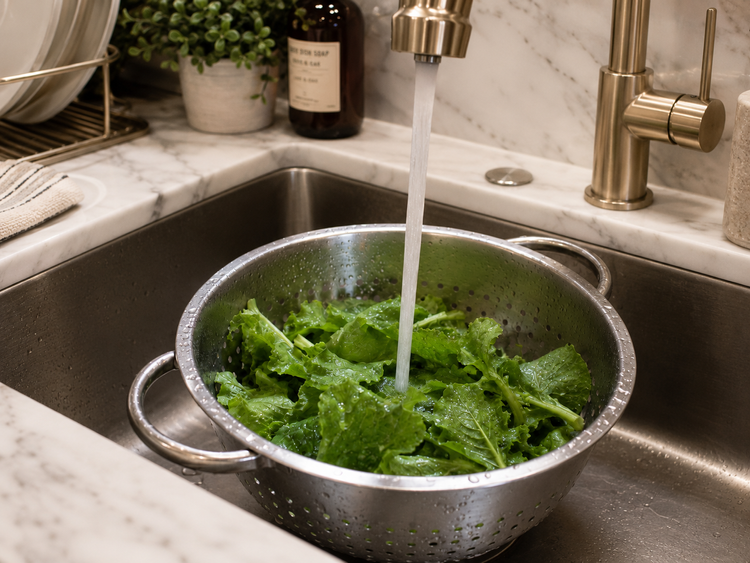
Food Safety Without the Fear: What Actually Prevents Food-borne Illness
A dietitian on what actually prevents foodborne illness, why contamination fear isn’t the same as food safety, and how to handle produce during an outbreak.
Bring your questions to a free 15-minute call
Questions first? Send us a message. We reply within 1 weekday.